HEALTHY HAIR
BEHAVES
DIFFERENTLY
Willie David Hair exists at the intersection of hydration science and structural integrity. We do not chase trends; we establish standards. By prioritizing precise preparation and textural balance, we achieve predictable hair behavior. Here, longevity is not a finished look—it is an earned result of disciplined care.
Willie David Hair exists at the intersection of hydration science and structural integrity. We do not chase trends; we establish standards. By prioritizing precise preparation and textural balance, we achieve predictable hair behavior. Here, longevity is not a finished look—it is an earned result of disciplined care.
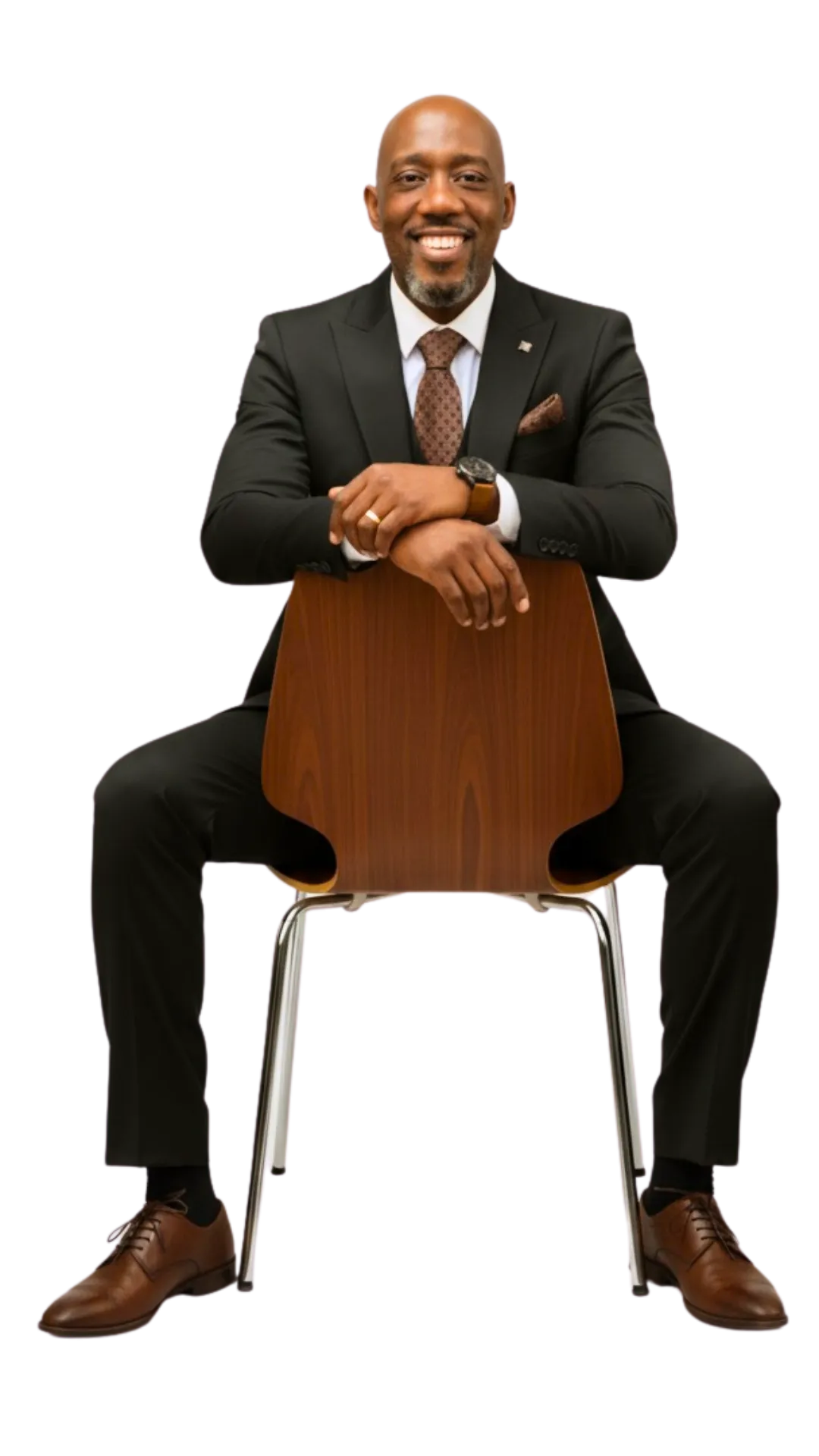
ABOUT WILLIE DAVID HAIR
SETTING STANDARDS, NOT SHORTCUTS
Willie David is a hair educator and specialist known for redefining how healthy hair is approached, treated, and maintained. His work is rooted in the belief that hair does not need to be forced, disguised, or overcorrected—it needs to be understood.
With decades of experience in natural haircare, silk pressing, treatments, color, and installs, Willie David focuses on hair behavior rather than hair trends. His approach prioritizes preparation, balance, and structural integrity, recognizing that long-term results are established during cleansing and treatment—not at the finish.
Central to this system is the SilkOut System, a professional-grade product framework used to support hydration density, textural balance, and controlled response. Rather than relying on isolated products or temporary fixes, the SilkOut System functions as an integrated component of the overall methodology—supporting the hair’s internal condition so results are predictable, sustainable, and repeatable.
As an educator and ambassador within the professional hair industry, Willie David is recognized for applying modern hair science and controlled ceramic heat techniques to achieve healthy outcomes without compromising integrity. His methods move away from traditional practices that depend on unmeasured heat and excessive manipulation, replacing them with disciplined systems designed to protect the hair’s structure while enhancing performance.
Willie David Hair exists to set standards, not shortcuts. Every service, educational resource, and system recommendation reflects a philosophy built on preparation, respect for the hair’s natural response, and long-term integrity.
Healthy hair behaves differently—and when treated correctly, it proves it.
Silk Press • Natural Hair Care • Installs • Color • Treatments
Professional services rooted in balance, preparation, and predictable hair behavior
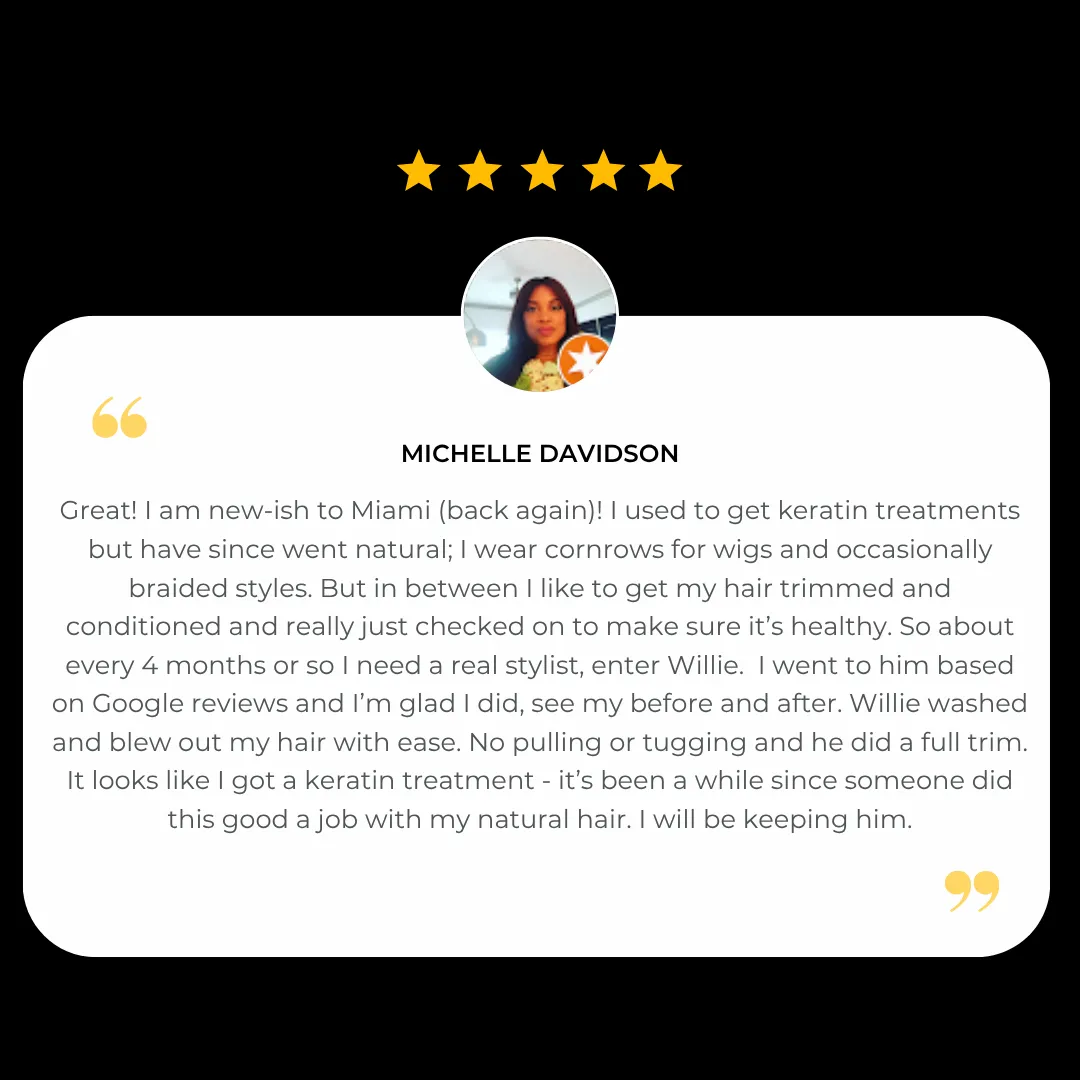
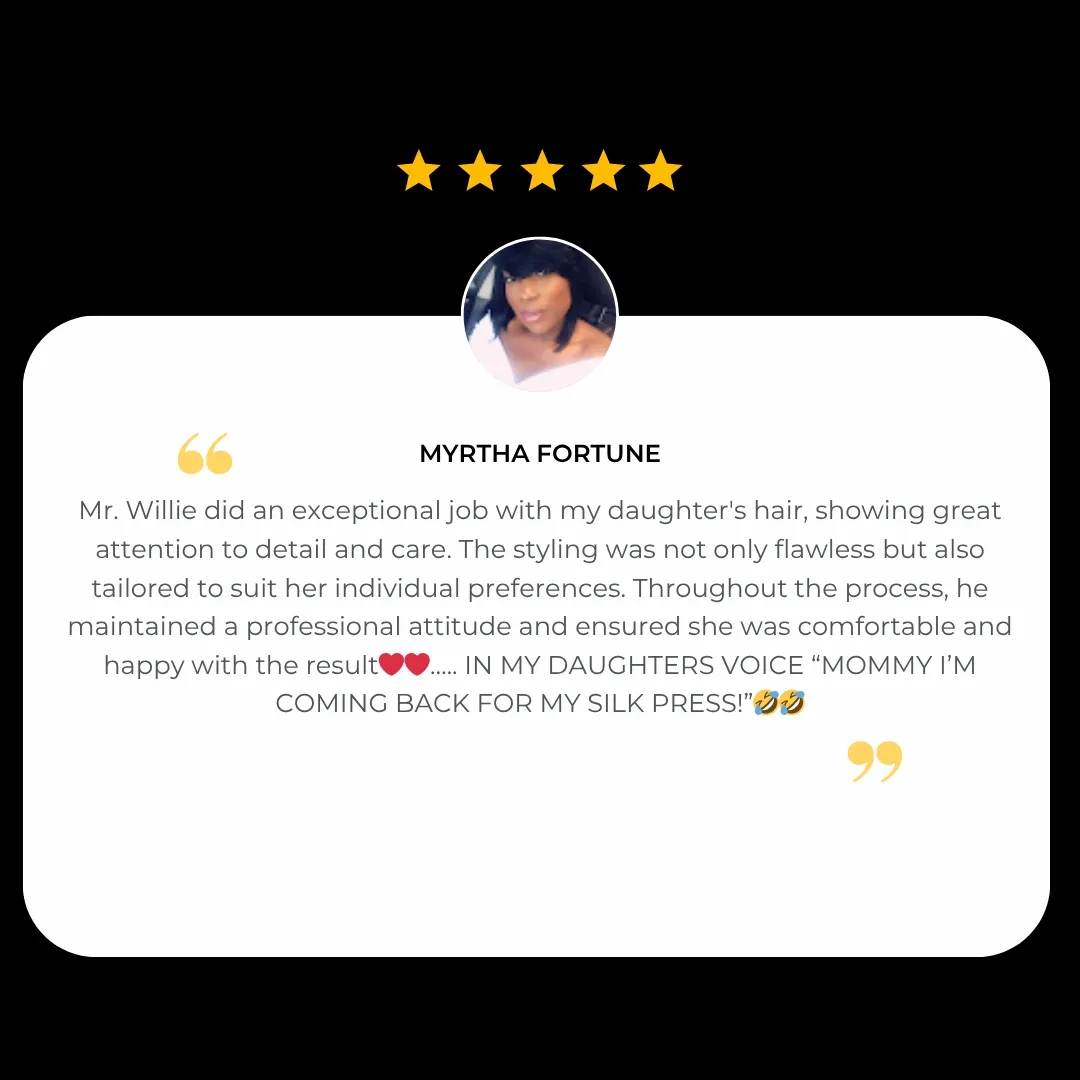
CLIENT TESTIMONIALS

Discover Our Featured Services
Designed services focused on healthy hair behavior and lasting results.
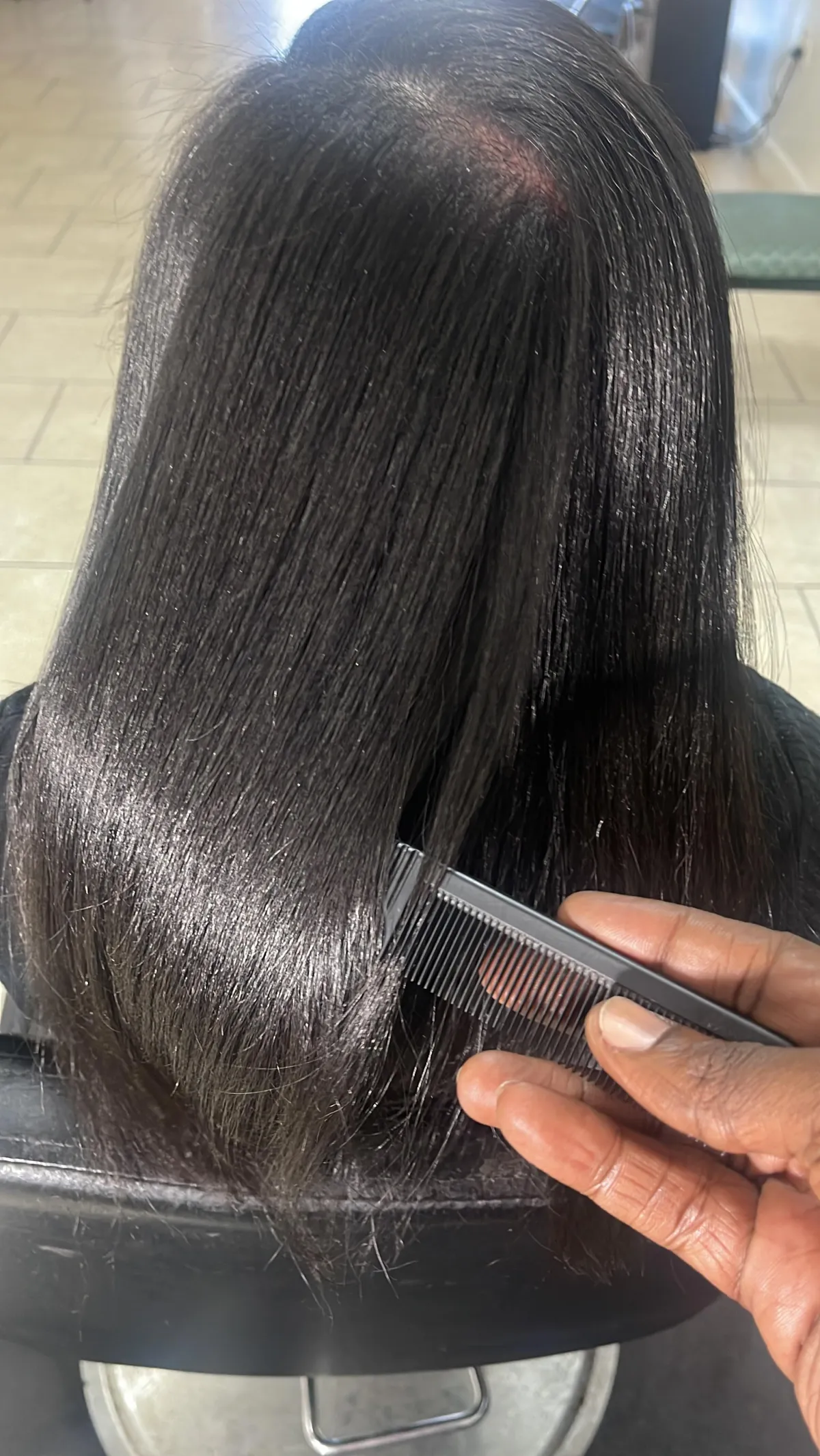
SILKOUT SMOOTHING SILK PRESS
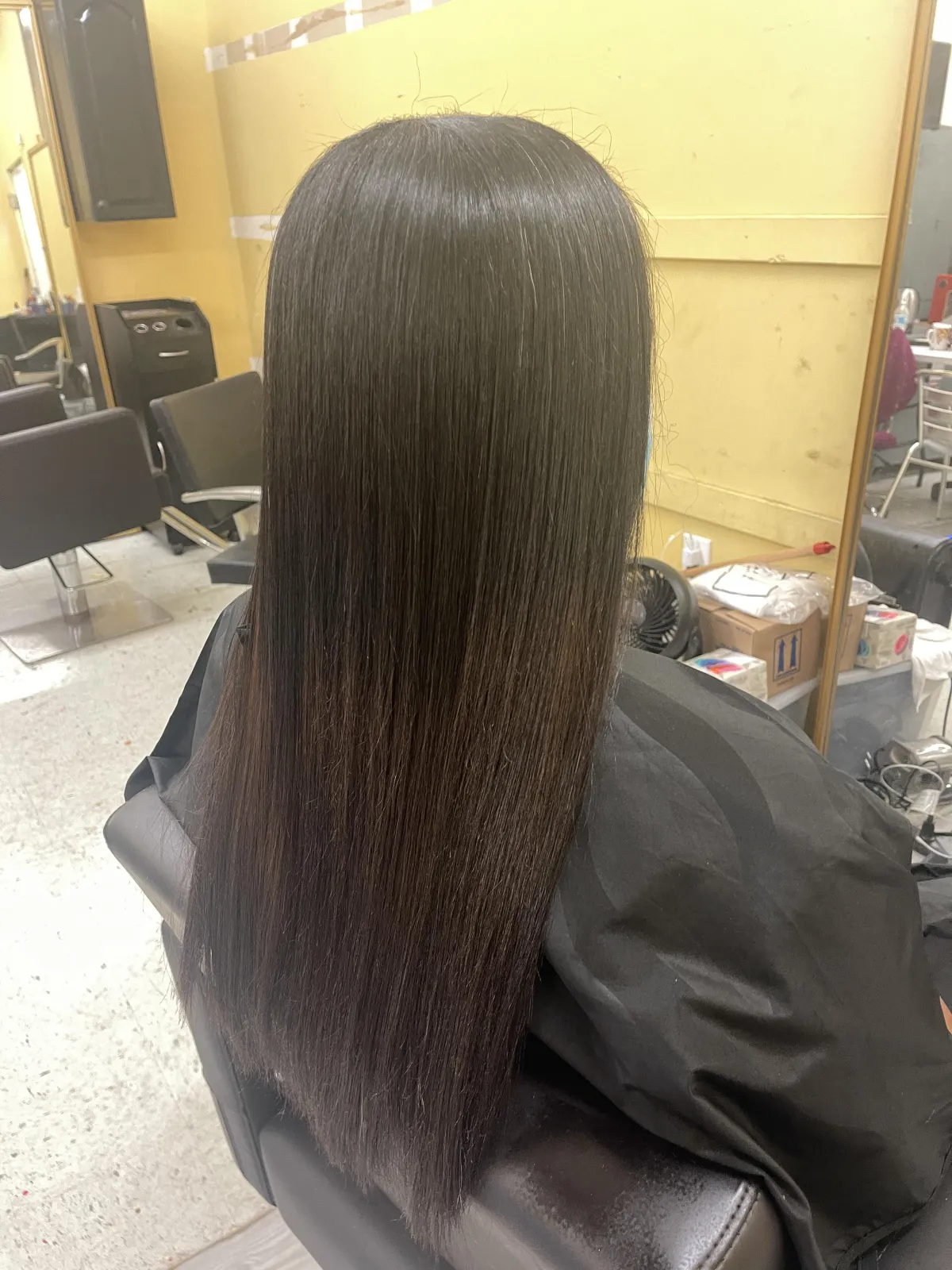
SILKOUT CLASSIC SILK PRESS
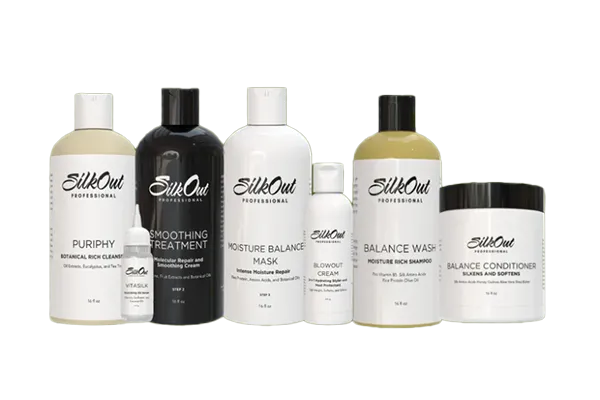
HEALTHY HAIR BEHAVIOR IMPROVES WHEN THE RIGHT PRODUCTS WORK TOGETHER
The SilkOut System functions as an extension of the Willie David Hair standard of care. It supports balanced regimens designed to preserve structural integrity while producing smooth, controlled outcomes. Paired with precision ceramic heat methods and paraben-free, botanically informed formulations, the system allows hair to respond predictably rather than be forced—supporting strength, manageability, and long-term health.
TANGLE TRUTH BLOG
Clear Explanations for How Hair Really Behaves

Why Over-Stripping Cleansers Are Compromising Hair Health
Clarifying shampoos are meant to reset the hair—not destabilize it.
Yet one of the most common reasons clients experience dryness, breakage, and unpredictable styling results is over-stripping at the shampoo bowl.
The problem is rarely clarification itself.
The problem is how clarification is achieved and what the hair is left to recover from afterward.
When cleansing focuses only on removal—without balance or support—the hair pays the price long before the service is finished.
Clarifying Has a Purpose — But It Has a Limit
Clarifying shampoos exist to remove:
Product buildup
Excess oils
Environmental residue
Mineral deposits from water
Without proper clarification, hair cannot absorb moisture evenly, treatments become less effective, and finishing results suffer.
However, clarification is meant to prepare the hair, not expose it.
When cleansers are too aggressive, they remove more than buildup—they remove the hair’s ability to regulate moisture and respond predictably to styling.
The Misunderstanding Around “Clean” Hair
For years, professionals were taught that hair should feel “squeaky” after clarifying. That sensation was interpreted as proof the hair was clean.
In reality, that squeak signals excessive cuticle disruption.
Over-stripping cleansers often rely on:
High alkalinity
Harsh surfactants
Minimal conditioning support
This combination forces the cuticle open aggressively and keeps it there longer than necessary. The hair may look clean, but it is left structurally exposed.
What Happens When Hair Is Over-Stripped
Hair is a fiber designed to protect itself. When that protection is repeatedly compromised, several predictable issues appear.
1. The Cuticle Stays Raised
An over-opened cuticle leads to:
Increased friction
Tangling
Dullness
Difficulty smoothing
Hair that cannot reseal easily will always struggle with manageability.
2. Moisture Escapes Too Quickly
Stripped hair absorbs moisture rapidly—but cannot retain it. This creates the illusion of dryness even when conditioning treatments are applied regularly.
The issue is not lack of moisture.
It is lack of retention.
3. Structural Support Weakens
Repeated exposure to aggressive cleansers can leave the internal structure of the hair vulnerable, showing up as:
Reduced elasticity
Breakage during styling
Thinning ends
At this stage, damage is often blamed on heat, color, or manipulation—when the root cause was preparation.
4. Hair Becomes Unpredictable
Over-stripped hair reacts inconsistently. It may:
Revert quickly after styling
Resist smoothing
Feel stiff one day and overly soft the next
Refuse to hold a finish
This unpredictability makes styling more difficult and compromises long-term results.
Why Textured Hair Is More Affected
Textured hair types are especially sensitive to over-stripping because:
Their cuticle structure is naturally more exposed
They rely heavily on internal moisture balance
They experience more mechanical stress during styling
Aggressive clarification removes the very support textured hair needs to behave well during silk presses, smoothing treatments, color services, and installs.
When preparation is compromised, even the best technique cannot compensate.
Clarifying vs. Balancing: A Necessary Distinction
Not all clarification is the same.
Over-stripping cleansers are designed solely to remove.
Balanced cleansers are designed to reset without destabilizing.
A professional, balanced clarifying cleanser:
Removes buildup without forcing the cuticle open excessively
Operates within a controlled pH range
Supports the hair before and after cleansing
The goal is not to leave hair bare—it is to leave it receptive.
The Long-Term Cost of Aggressive Cleansing
Over time, harsh clarification leads to:
Increased need for deep conditioning
Frequent breakage complaints
Inconsistent styling outcomes
Reduced client confidence
Difficulty retaining results
What appears efficient in the moment often creates more work—and more damage—over time.
Hair Behavior Always Tells the Truth
Hair does not behave unpredictably without reason.
When hair:
Swells quickly in humidity
Reverts immediately after styling
Tangles excessively
Loses shine and smoothness
It is responding to imbalance.
Repeated over-stripping alters how the hair absorbs and releases moisture, making it harder to control and easier to stress.
A More Intentional Approach to Cleansing
Professional hair care requires a shift in mindset:
From “stronger cleanses better”
To “appropriate cleanses better”
Clarifying should be:
Purposeful
Used when needed—not habitually
Supported by conditioning and balance
Part of a complete regimen
When cleansing is intentional, hair becomes easier to manage—not harder.
The Willie David Hair Perspective
At Willie David Hair, cleansing is treated as the first act of preparation.
The focus is not on stripping the hair down, but on setting it up to respond well to:
Conditioning
Treatments
Heat styling
Finishing
Clarifying is approached with respect for porosity, balance, and the hair’s history—not as a one-size-fits-all step.
This discipline allows hair to remain resilient, manageable, and predictable over time.
Education Protects Hair Integrity
Many clients believe dryness or breakage is inevitable. In many cases, the damage begins long before styling—at the shampoo bowl.
When professionals understand how cleansers affect hair behavior, they can:
Make informed product choices
Reduce unnecessary damage
Improve consistency
Build trust through results
Education changes outcomes.
If you’d like to learn more about balanced cleansing, professional hair preparation, or regimens designed to support healthy hair behavior, additional resources are available at
www.SilkPressKing.com.
Not as a quick fix—but as an extension of education, discipline, and care.
Final Thought
Clarifying should reset the hair—not compromise it.
When cleansing respects the hair’s natural response, everything that follows becomes easier, healthier, and more predictable. When it doesn’t, the hair tells the story through breakage, dryness, and resistance.
Healthy hair behaves differently.
And it starts with how we cleanse.